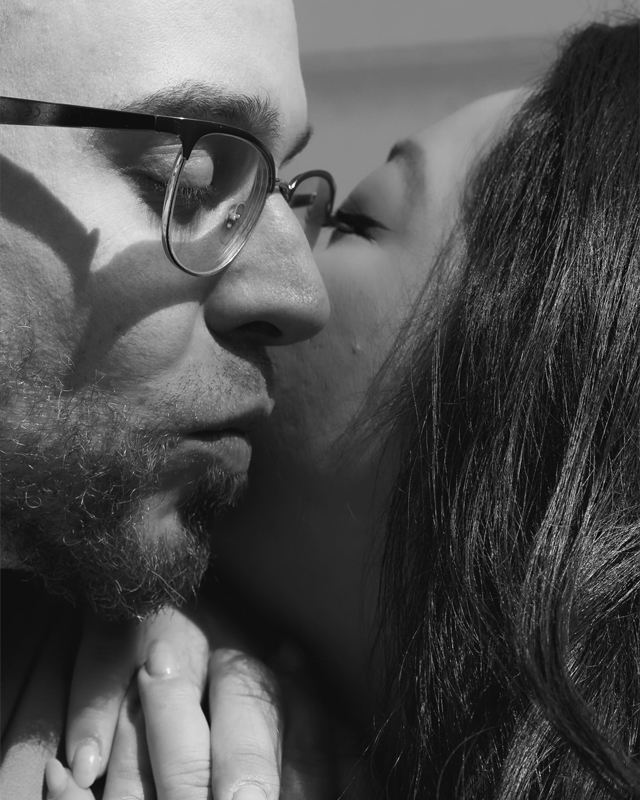
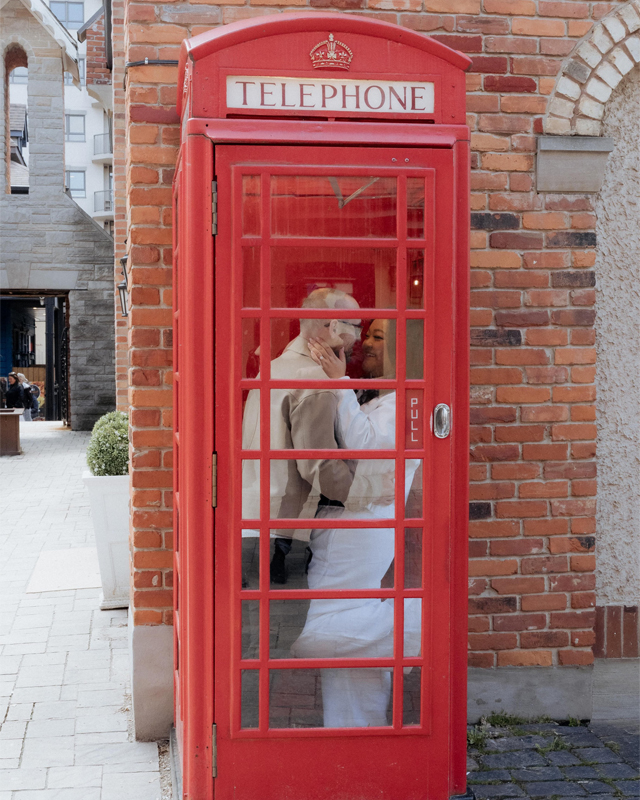
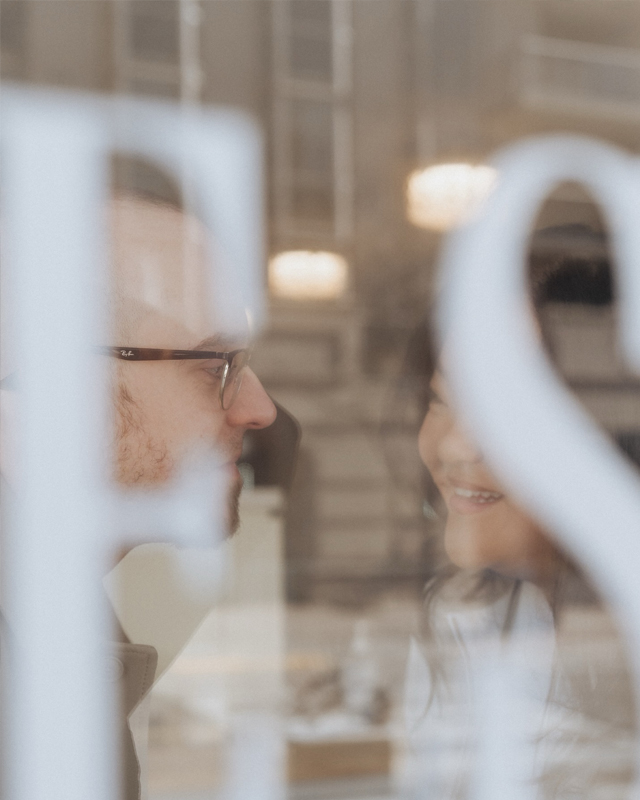
Black Jacket Films brings that eye to Burlington weddings — a calm, story-driven approach that results in imagery that feels elegant, natural, and personal, right down to the last frame.
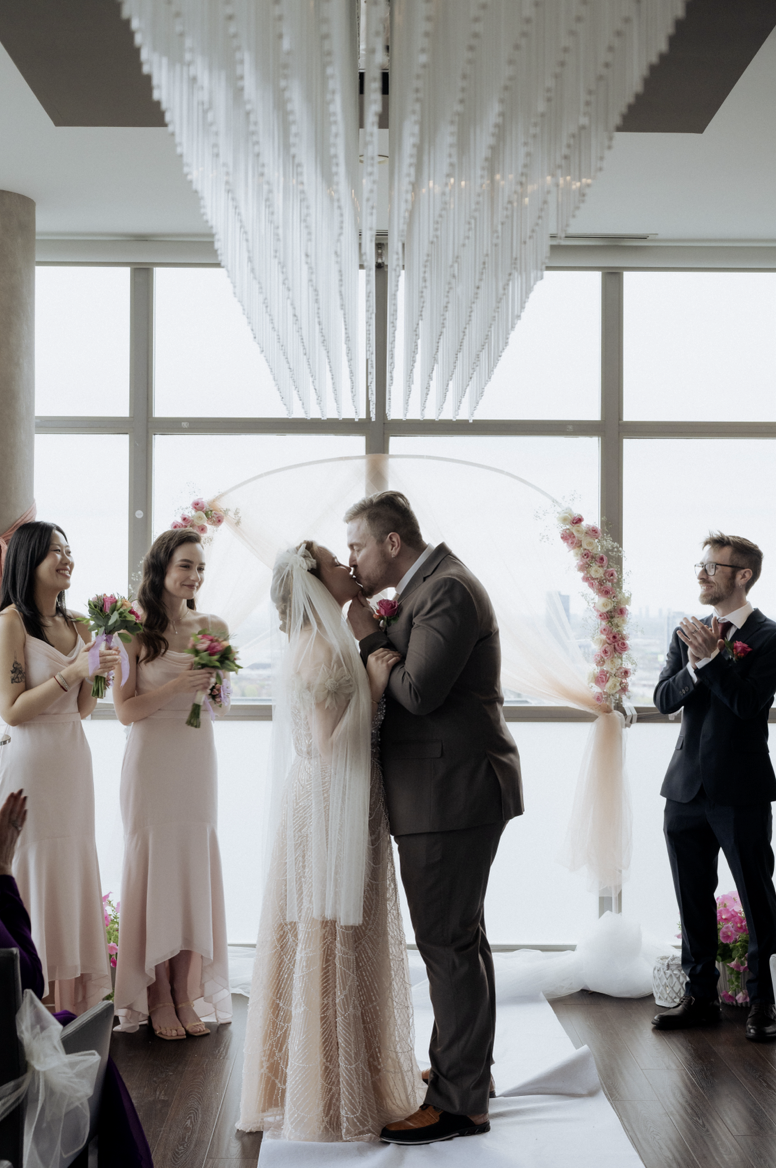
The day goes by faster than anyone expects. One minute you're getting ready, and then it's over — which is exactly why so many couples want more than still photography alone. Film gets you the vows in your partner's own voice, the laughter you didn't catch in the moment, the actual sound of the room. In a market full of options, the studio you choose matters more than the equipment they use. Black Jacket Films builds Burlington wedding films around one idea: real moments, shaped honestly.
Your wedding happens once. That's the whole case for taking this decision seriously rather than defaulting to whoever's cheapest or most available.
Look past the demo reel for a clear creative style, full films you can watch start to finish (not just thirty-second highlights), strong audio, real preparation, and someone whose presence on the day won't throw off the room. Get that right, and you can actually be present instead of managing your own coverage.
Not every wedding film is doing the same job. Some are simple records — this happened, then this happened. Others are built as a story, with pacing and emotional shape, which tends to be what actually holds up when you rewatch it five years later.
We lean documentary and narrative on purpose. The goal was never to make your day look staged — it's to take what actually happened and shape it into something that plays like your story, not a template with your names swapped in. Preparation, ceremony, vows, speeches, the reception winding down — all one arc, not a pile of disconnected clips.
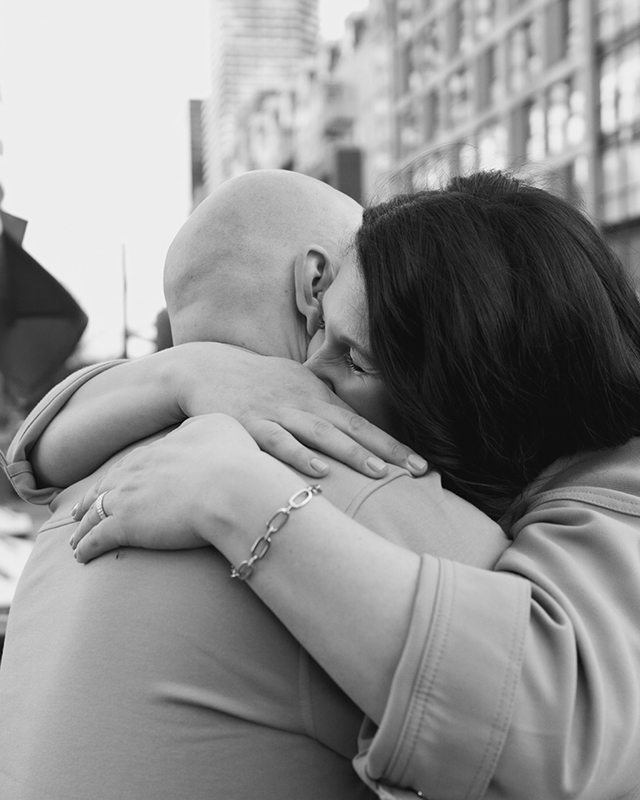
A strong film catches the things you're too busy living to notice in real time — a parent's face mid-ceremony, a laugh between your friends off to the side, the look right before you say the vows. Those small things are what actually give a film its weight.
We don't build coverage around heavy direction or repeated setups. We watch, and we collect what's actually happening as it happens — which is the only way a moment ends up looking natural instead of performed. Your day stays specific to you because the film is shaped around your people and your particular rhythm, not a formula that gets applied to every couple that books us.
We think of ourselves as filmmakers first, not a video vendor with a checklist. That distinction shapes everything downstream — how we plan the day, how we shoot it, and how the final film gets built.
We're a husband-and-wife team, and between us we bring 12+ years of combined experience to a wedding day that moves fast and gives you no second takes. We shoot roughly 45 weddings a year, which means the flow of a real wedding — where the lulls are, when something's about to happen — isn't a guess for us. It's familiar enough that we can stay quiet when quiet is right and step in gently when it isn't.
If you're trying to find the right videographer rather than just a recognizable name, that instinct for timing is worth weighing more heavily than a portfolio alone can show you.
We're a Canadian Choice Award Winner 2026, and our work has run in Vogue India, Condé Nast Bride India, Elegant Weddings, and Brides Today. None of that replaces an actual personal connection with the people filming your wedding — but it's a reasonable signal of consistency while you're narrowing down a list.
Documentary doesn't mean plain here. It means real timing, careful observation, and a final film built from what genuinely happened rather than what we staged to happen.
The idea is simple: your footage should feel like one experience, not a stack of unrelated clips loosely stitched together. We lean into narrative structure — not just what happened, but how it actually felt, using vows, reactions, movement, and the atmosphere of the room to build that arc.
The most requested styles in Burlington tend to split between documentary, cinematic, and traditional coverage. We land somewhere between the first two — enough polish that the film looks intentional, without ever tipping into something that feels like a template.
A lot of couples worry that being filmed will slow the day down or make everyone act differently. That worry is usually earned — with a more traditional, setup-heavy style. It's less true here, because we're built around letting the day breathe rather than recreating reactions for a better angle.
Coverage is built to flex around what you actually want, whether that's a short, shareable edit or a fuller, layered set of films.
Some couples want one strong, short edit they'll watch constantly. Others want a fuller set that captures more of the day's texture. We build both, with the same attention to pacing either way — the big emotional beats matter, but so do the quieter scenes most teams would cut for time.
We shoot both Super 8 and 4K, which gives you a real choice between vintage texture and modern clarity rather than defaulting to one. Some couples want the dreamy, grainy warmth of Super 8. Others want the crispness 4K brings, especially outdoors where light and detail carry more of the story — drone footage included, where the venue and conditions allow for it.
They're not mutually exclusive. Super 8 can add mood in the right places while 4K carries the clean, immersive coverage of the moments that need it — together making a final film that feels layered instead of flat.
Burlington is home base, but the work extends through Oakville, Hamilton, Toronto, Niagara, and Muskoka, plus destination weddings anywhere in the world. Every location brings different light, logistics, and energy, so coverage gets shaped around the venue rather than forced into one fixed approach.
Waterfront light behaves nothing like garden light, and a historic interior asks for different movement than open farmland does — familiarity with a space lets us work efficiently without the day feeling managed around our equipment.
Outside Burlington, the same approach travels with us. Split ceremony-and-reception locations, outdoor weekend events, multi-day destination weddings — all of it just means more planning around timing and conditions up front, not a different standard of care once we're actually filming.
The work starts well before anyone presses record. We build a filming plan around your specific timeline, anticipate where the important moments are likely to land, and leave enough room for things to happen naturally instead of on cue.
Drone footage adds scale and atmosphere for outdoor ceremonies and scenic venues — establishing the place without pulling focus from the people actually standing in it. For the ceremony itself, we run three-camera coverage, because vows and reactions happen fast and don't repeat. Three angles means fewer missed moments and a stronger edit later, without ever asking you to pause and redo something for the sake of the shot.
Everything gets edited by a person — no AI editing, no automated culling deciding what mattered most about your day. That distinction isn't cosmetic. A glance, a pause, a laugh that catches right before the vows — that kind of nuance is exactly what automation tends to miss, and exactly what makes a film feel like your wedding instead of a well-produced generic one.
Some couples want one creative team thinking across both mediums rather than coordinating two separate vendors — and we're set up for that. It simplifies communication and tends to produce a more cohesive result, since photography and film aren't competing for the same three seconds of a moment.
Elopements, micro-weddings, and full-day celebrations don't need the same structure, and we don't force them into one. A smaller guest count doesn't mean a smaller story — it just means the coverage gets built differently around it. If travel or multiple locations are part of your plan, that gets factored into the same planning process.
Book early where you can. Most professional videographers get secured 9–12 months out, and sought-after dates go even earlier — worth keeping in mind if the studio feels like the right fit.
Booking isn't just about finding an open date. It's about confirming the creative approach and the working style actually line up with what you want — because the right fit is what makes your wedding day feel protected rather than managed.
Plan on booking 9–12 months ahead, earlier still if you're marrying during peak season. Studios that do this well tend to cap how many weddings they take on to protect the quality of the work — which is part of why timing matters more than it might seem.
When you reach out, ask about availability, timeline support, full film examples (not just highlight reels), delivery expectations, and what happens if something goes sideways on the day. Those answers tell you more than a portfolio can.
Reviews live on Google, wedding directories, and Instagram — but a star rating only tells you so much. Look for consistency, how clearly a studio explains their process, and whether the finished work actually matches what they promised going in.
A portfolio should show more than pretty frames — it should show how a team handles a real wedding: shifting light, different personalities, a day that doesn't run on schedule.
Ask to see full films alongside the highlight reels. A short edit proves technical skill; a complete film shows whether a team can sustain emotion and pacing across an entire day without it going flat in the middle. Watch how the footage moves from prep through ceremony through celebration, and listen for sound quality — it's an easy thing to overlook and a fast way to spot a weaker studio.
Instagram is a reasonable first stop for visual style and recent work, but pair it with real testimonials — social media shows you the look, testimonials tell you what it actually felt like to work with us.
Wedding film is a real investment, and pricing should make sense once you understand what's actually going into it. In the Burlington market, professional wedding videography commonly runs somewhere between $2,500 and $6,000, with plenty of listings outside that range depending on scope and experience.
For a studio working at this level, the price reflects more than hours on-site — planning, audio, storytelling, and the editing time that goes into shaping raw footage into something worth rewatching. Judge the number by what's included, not just the figure itself.
The cheapest quote on your list may simply be missing planning time, equipment, or post-production care that a higher one includes — worth asking about directly rather than assuming.
Choosing who films your wedding is really a decision about what you'll still have access to years from now — not just the visuals, but the feeling of the day itself. With 12+ years of combined experience, a documentary-first approach, and every film built and edited by hand, we aim for something that still holds up emotionally long after the day is over. From drone footage over the venue to the quiet edits nobody else would bother making, the goal stays the same: a film that's unmistakably yours. If that's the kind of coverage you're after, reach out and let's talk about your date.
Yes — outdoor ceremonies across Burlington and Canada, plus destination weddings worldwide. The filming approach adapts to the setting, and drone coverage is available where conditions and venue rules allow.
hrough documentary storytelling and hand-built editing rather than a fixed template. The focus stays on your actual interactions and the natural rhythm of your day, so the finished film reflects what happened rather than a formula applied to every couple we work with.
Social media is a good starting point for highlight reels and recent work, but ask us directly for complete wedding films too — that's the clearest way to judge pacing, audio, and how the story holds together beyond a thirty-second edit.